

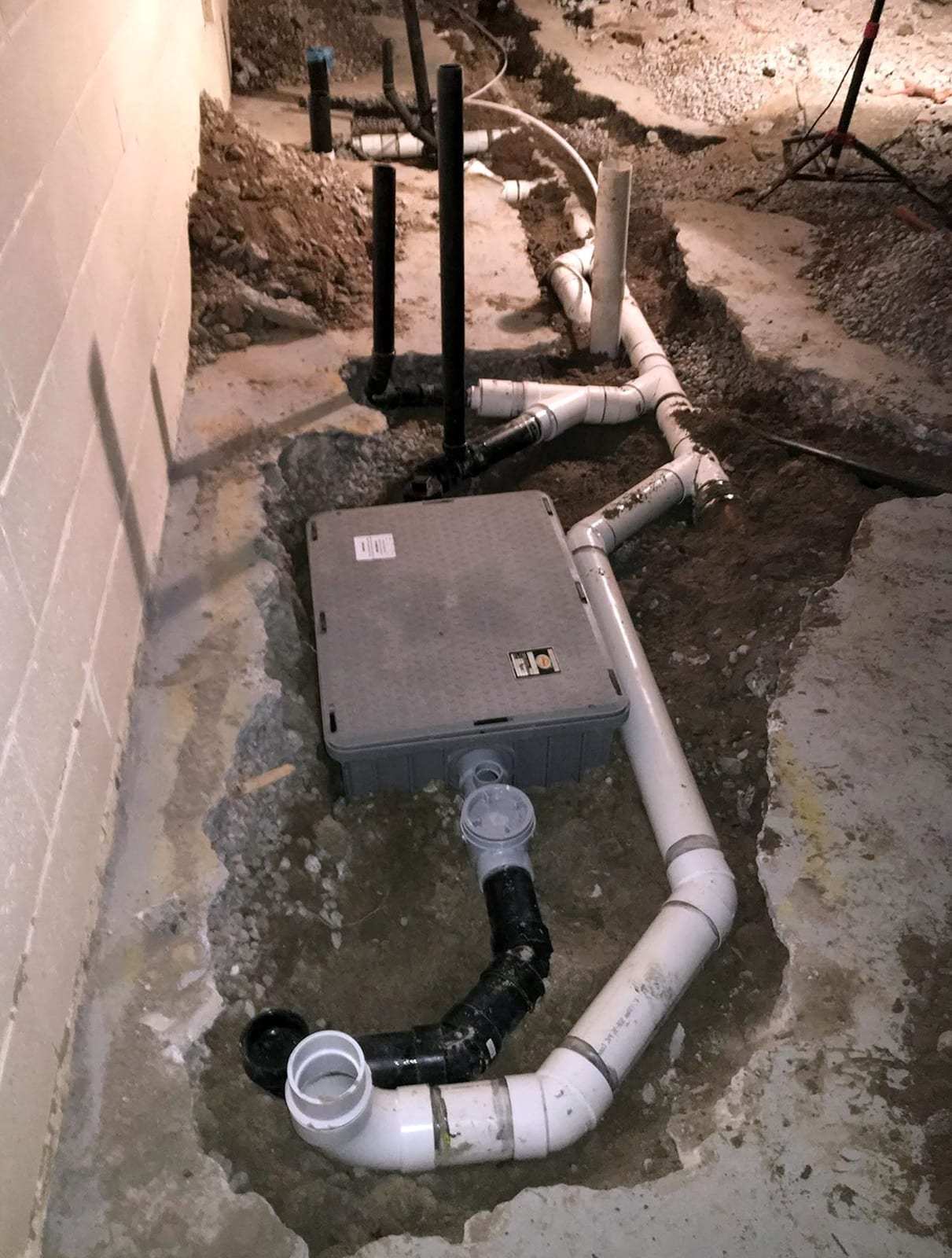
Keeping Basements and Crawl Spaces Dry
Cherrington Plumbing repairs, replaces and tests sump pumps for homes with basements and crawl spaces in Westerville, Gahanna and Worthington.
A sump pump spends most of the year waiting. When a spring storm or a quick thaw raises the water table, it has to start on its own and keep up, often in the middle of the night. Most failures are discovered only when the basement floor is already wet, which is why a pump that shows any of the signs below deserves attention before the next heavy rain.
Signs a Sump Pump Needs Attention
- The pump does not start when the pit fills
- The pump runs constantly or cycles on and off rapidly
- Rattling, grinding or humming without pumping
- Standing water on the basement floor near the pit
- A float that sticks against the side of the pit
- Visible rust or a pump several years old that has never been tested
Repair, Replacement and Backup
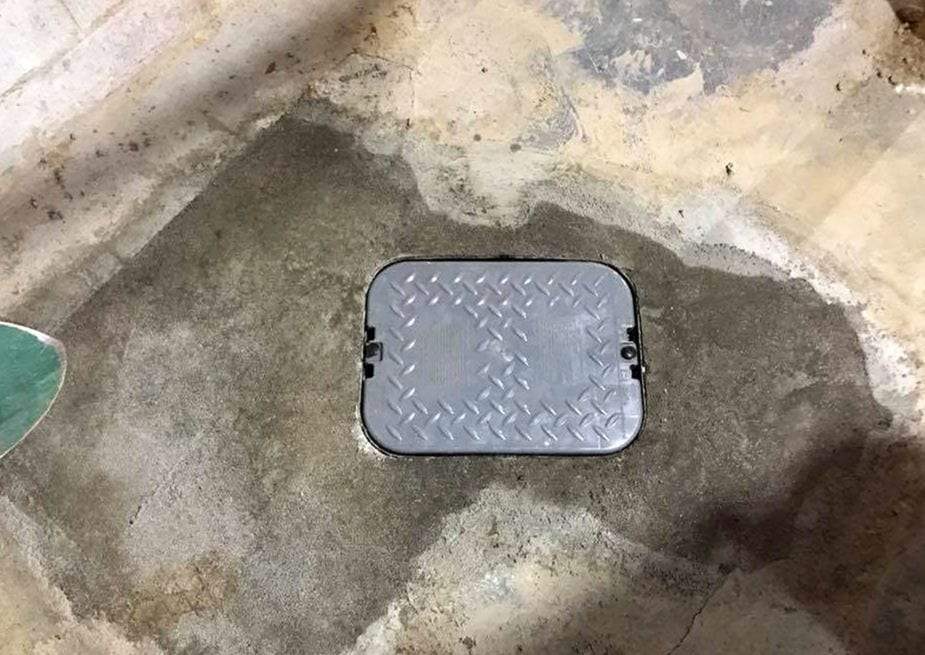
Many sump pump problems are small: a float switch caught on the pit liner, a clogged inlet screen, a check valve that has failed. Those are repairs. A pump with a burned-out motor, or one that cannot keep up with the water coming in, is replaced, and the replacement is a good moment to look at the check valve, the discharge line and whether a backup pump makes sense.
Sump pump work is a regular part of the business, alongside the repiping in older houses where basements and crawl spaces often hold the original plumbing.
For a seasonal routine that includes the sump pump, the water heater and outdoor spigots, see the seasonal maintenance guide.
Sump Pump Types Compared
The pump that suits a house depends on the size of the pit, whether the basement is finished and how much damage a failure would cause.
| Pump type | How it works | Best suited for | Things to consider |
|---|---|---|---|
| Submersible | The sealed pump sits in the pit under water and starts when its float rises | Finished basements and most houses; quieter, with the pit covered | Harder to reach for service; the float must move freely in the pit |
| Pedestal | The motor stands on a column above the pit, with only the base in the water | Small or narrow pits; easy access to the motor | Louder and more exposed; less suited to a finished space |
| Battery backup | A second pump on a battery takes over when the power fails or the main pump stops | Houses where a wet basement would cause serious damage | The battery needs checking and replacing on a schedule |
| Water-powered backup | Uses the pressure of the city water supply to lift water out of the pit | Homes on municipal water that want a backup without batteries | Uses household water while running; needs adequate water pressure |
How to Test Your Sump Pump
- Make sure the pump is plugged in and, if it shares the outlet with a backup, that both cords are seated.
- Remove the pit cover and check that the float can rise freely without touching the pit wall or the cord.
- Slowly pour a bucket of water into the pit until the float rises.
- Watch the pump start, empty the pit and shut off on its own once the float drops.
- Go outside and confirm the water is leaving the discharge line, well away from the foundation.
- Listen for grinding or rattling, and replace the cover when you are done.
If the pump hums but does not move water, or does not start at all, unplug it before reaching into the pit, then schedule service.
Sump Pump and Basement Water Questions
How often should a sump pump be tested?
A quick test every few months, and always before spring, is a sensible habit. Central Ohio’s wet springs and the thaw after a snowy winter are when most pumps are called on hardest, and a pump that has sat idle through a dry summer is the one most likely to stick.
Why does my sump pump run constantly?
Common causes are a float switch stuck in the on position, a missing or failed check valve that lets water fall back into the pit, or a pump too small for the water coming in. A pump that runs with no water to move will wear out quickly.
Where should the discharge line end?
Well away from the foundation, so the water does not soak back into the soil and return to the pit. In winter, a discharge line that ends in a low spot or under snow can freeze shut and leave the pump with nowhere to send the water.
Is water on the basement floor always the sump pump?
No. Water can also come from a leaking water heater, a backed-up floor drain, a weeping supply line or the foundation walls themselves. Where the water first appears is the best clue; note it when you call.
Does a crawl space need a sump pump?
A crawl space that collects standing water after heavy rain often does. Damp crawl spaces also put pipes, insulation and the floor framing at risk, so standing water there is worth dealing with.
Schedule Sump Pump Service
Before the next heavy rain, call or send the request with what the pump is doing and whether it has a backup.