

Finding a Leak Before It Spreads
Cherrington Plumbing repairs leaking and burst supply lines, replaces failing valves and repipes older houses where the original pipe has reached the end of its life.
Some leaks announce themselves with water on the floor. Others drip inside a wall or above a ceiling for months, softening drywall and feeding mold before anyone sees a stain. The signs below are worth acting on early, because a slow leak costs less to repair than the damage it causes.
Signs of a Leak or a Failing Pipe
- Damp spots or soft drywall on walls and ceilings
- A water bill that rises without a change in use
- Brown rings or stains below a bathroom or kitchen
- Low water pressure at several fixtures
- Hissing, dripping or running sounds inside a wall
- A musty smell in a cabinet or closet
Older Houses and Their Pipes
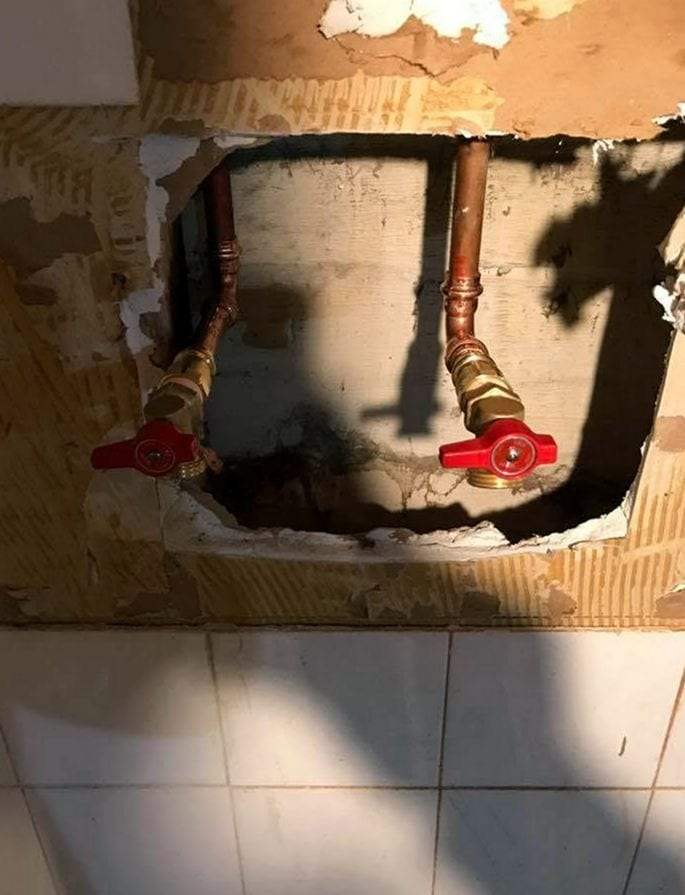
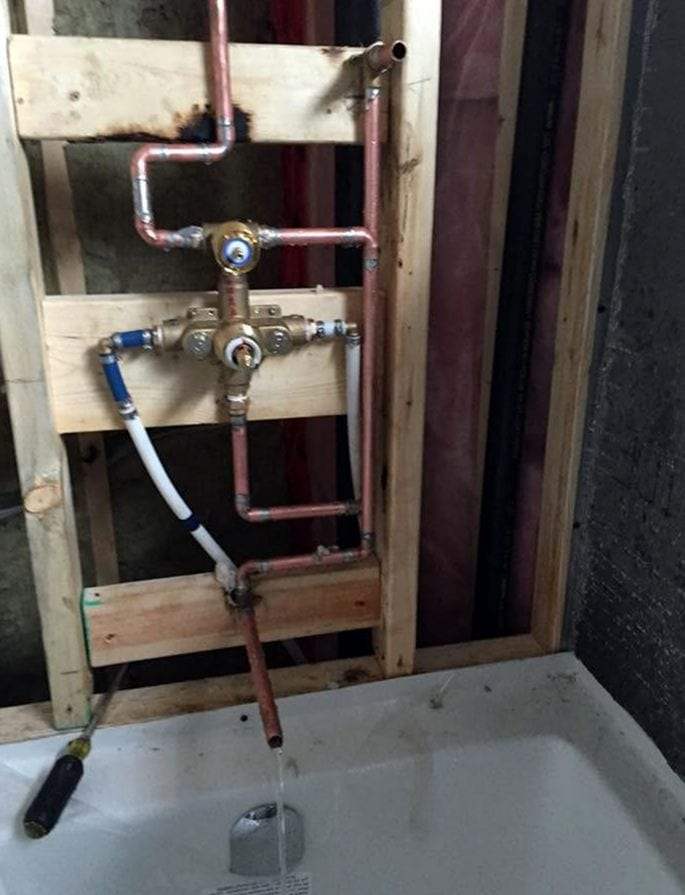
Pipes in older houses rarely match what the drawings suggest. A house may have copper in the kitchen, galvanized steel in an original bathroom and a run of PEX from a remodel, all joined together. Each material fails in its own way, and repairs have to join old to new with the right fittings.
Repiping in older houses is regular work for the company, along with replacing the valves and supply lines that tend to fail first. When the walls are open for a kitchen or bathroom update, it is the natural moment to replace the old supply lines behind them.
A year-round routine for protecting pipes, including the steps before a cold snap, is in the seasonal maintenance guide.
Pipe Materials and Repair Options
The right repair depends on what the pipe is made of and where it runs. The table covers the materials found in most houses around Westerville.
| Pipe material | Common problems | Where it is found | Repair options |
|---|---|---|---|
| Copper | Pinhole leaks, green corrosion at fittings, splits after freezing | Supply lines in most houses built from the 1950s on | Cut out and replace the section; repipe when pinholes keep appearing |
| Galvanized steel | Rust inside the pipe, low pressure, leaks at threaded joints | Older houses, often in basements and original bathrooms | Replace the failing run; repiping is usually the lasting answer |
| PEX | Damage from nails or rodents, leaks at a poorly made crimp | Newer houses, remodels and repipes | Replace the fitting or the length between fittings |
| CPVC | Brittle pipe that cracks with age or when bumped | Some houses and additions from the 1980s and 1990s | Replace the cracked section; consider replacing brittle runs |
| Braided supply lines | Bulging or frayed hose, leaks at the nut | Under sinks, behind toilets, at washers and dishwashers | Replace the line and, if it is stiff, the shutoff valve behind it |
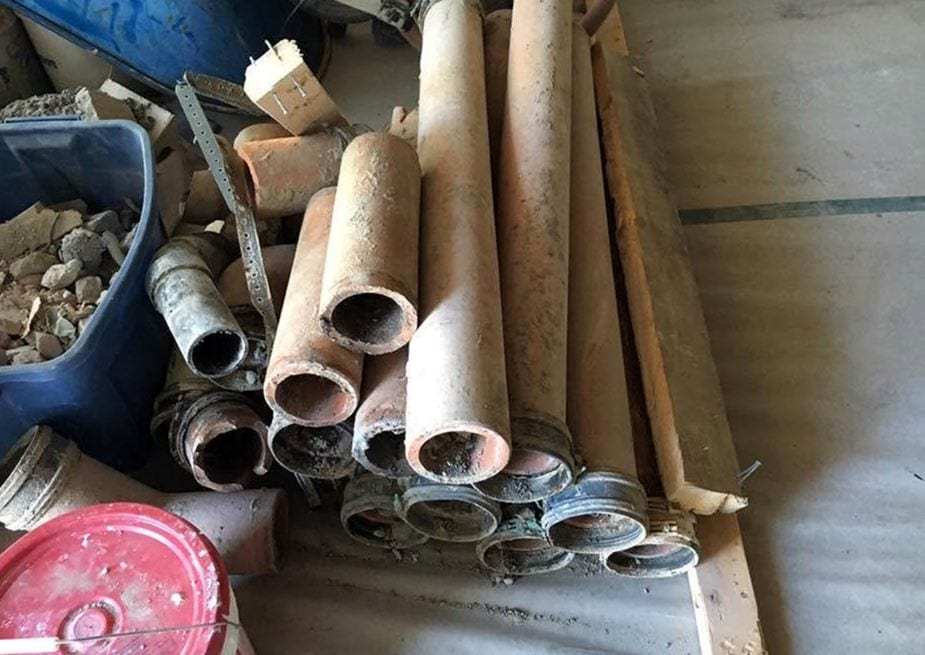
| Cast iron drain | Cracks, rust-through on the underside, seepage at joints | Main stacks and basement drains in older houses | Replace the damaged section with new pipe and couplings |
How to Shut Off the Water Main and Fixtures
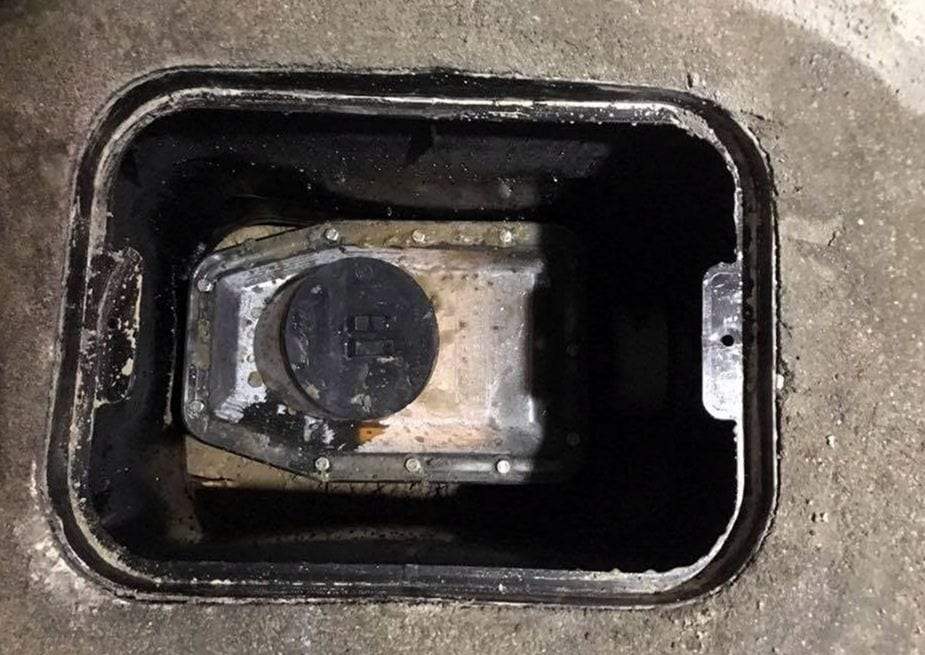
- Find the main shutoff valve where the water line enters the house, usually in the basement near the front wall, close to the water meter.
- Turn a round handle clockwise until it stops. Turn a lever handle a quarter turn so it sits across the pipe.
- Open a faucet on the lowest floor to let the water drain from the lines and relieve pressure.
- For a leak at one fixture, close the small valves under the sink or behind the toilet instead, turning them clockwise.
- If the main valve will not move, do not force it with a wrench; call, and say that the valve is stuck.
Every repair begins with a written estimate. If opening a wall turns up something unexpected, the customer hears about it and the options before the work goes on.
Leaks, Frozen Pipes and Water Pressure
How can I check for a hidden leak?
Turn off every faucet and appliance that uses water, then look at the water meter. If the small leak indicator or the dial keeps moving, water is going somewhere. A toilet that runs or refills on its own is the most common culprit; a meter that moves with every toilet shut off points to a leak in the pipes.
What should I do if a pipe bursts?
Close the main shutoff valve at once, turn off the water heater, and open a faucet on the lowest floor to drain the lines. Move belongings away from the water and keep away from any wet electrical outlets or fixtures. Then call with the location of the break.
Why did a pipe freeze when the house was heated?
Pipes in outside walls, crawl spaces, unheated garages and behind kitchen sink cabinets on exterior walls can freeze even in a warm house, especially when wind finds a gap in the siding or the sill. Hose bibs left connected to a garden hose are another common point of failure in an Ohio winter.
What causes low water pressure throughout the house?
In older houses, galvanized pipe that has narrowed with rust inside is a frequent cause. A partly closed main valve, a failing pressure-reducing valve or a hidden leak can also reduce pressure. Low pressure at one faucet only is usually a clogged aerator or cartridge.
When does repiping make sense?
When leaks keep appearing in different places, when the pipe is galvanized and the pressure is poor, or when walls are already open for a kitchen or bathroom update. Repiping replaces the supply lines in one planned job instead of a series of emergency repairs.
Report a Leak or Schedule Pipe Repair
If water is running now, close the main valve first. Then call or send the request with where the water is showing.