

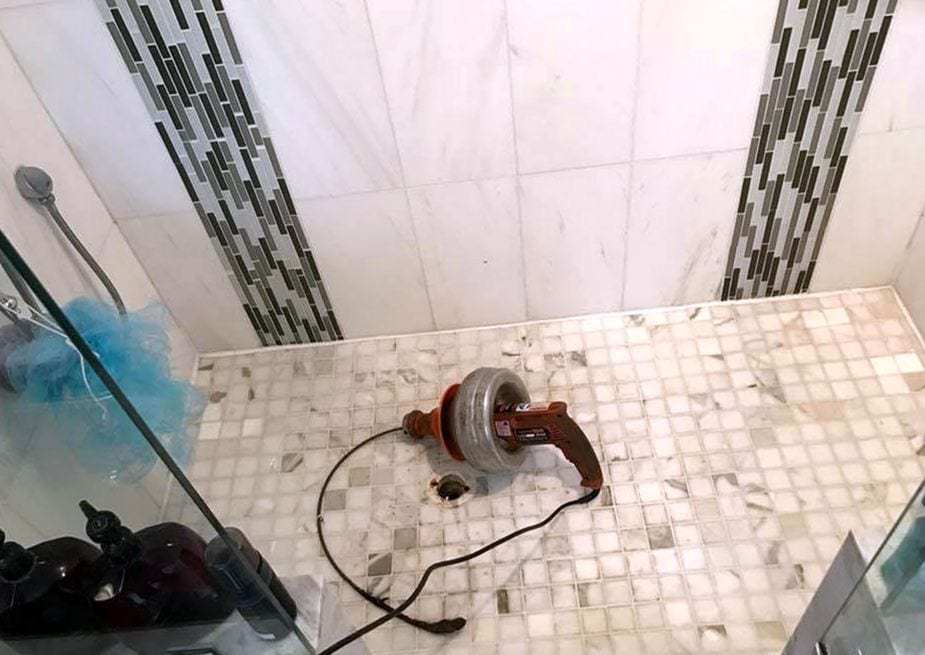
Slow and Clogged Drains
Drain clearing is one of the most common calls Cherrington Plumbing takes: kitchen sinks, bathroom sinks, tubs, toilets, basement floor drains and the main sewer line that carries all of them out of the house.
A drain rarely blocks all at once. It slows over weeks as grease, hair and soap narrow the pipe, and then one more load of dishes or one more shower closes the gap. Catching the early signs makes the job simpler and keeps water off the floor.
Signs a Drain Needs Attention
- A sink, tub or shower that drains more slowly than it used to
- Gurgling from a drain or toilet when another fixture is in use
- Water backing up into a tub, shower or basement floor drain
- A sour or sewer smell that returns after cleaning
- A toilet bowl that fills higher than normal before it flushes
- Several fixtures slowing down at the same time
What Causes Most Blockages
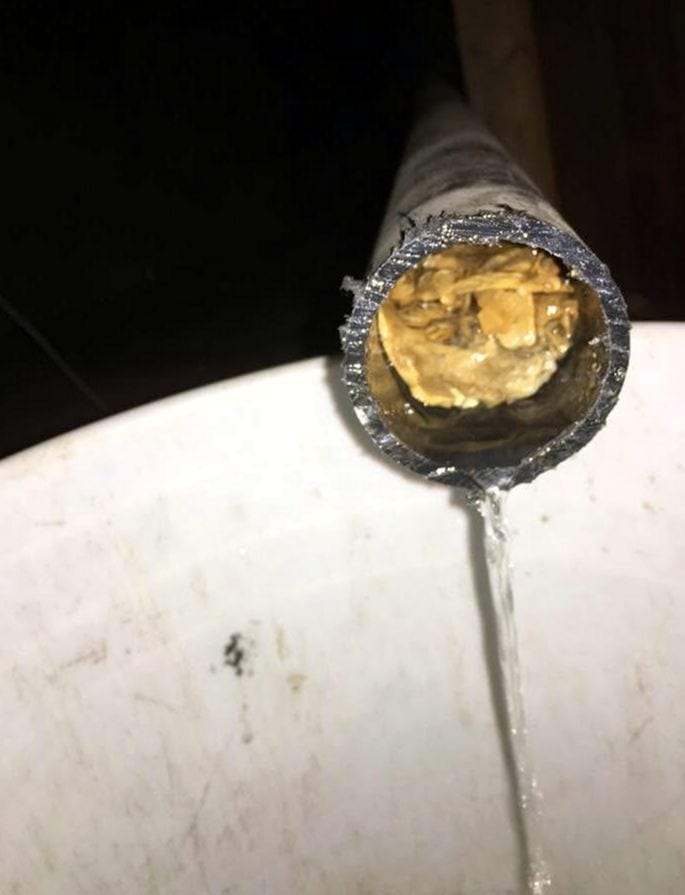
In kitchens, the usual culprit is grease. It goes down the drain warm and liquid, cools inside the pipe and holds food scraps and coffee grounds in place until the opening is a fraction of its size. Bathroom drains collect hair bound together with soap. Toilets block on wipes and paper towels, which do not break down the way toilet paper does, even when the package says they are flushable.
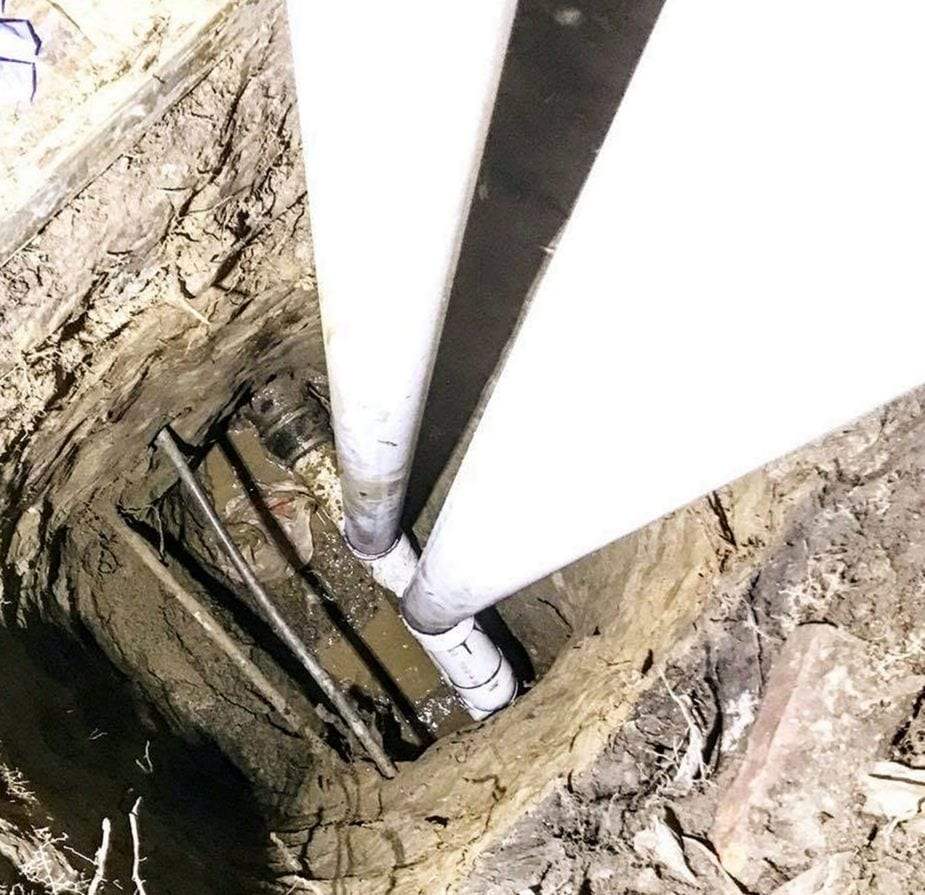
The main sewer line has problems of its own. Older houses often have clay tile or cast iron laterals with joints that let tree roots in, and a line that has settled can hold water and debris in a low spot. Those problems show up as slow drains throughout the house rather than in one fixture.
For a step-by-step look at a single slow fixture, including what is safe to try before calling, see the drain troubleshooting guide.
How Drains Are Cleared
The method depends on where the blockage sits and what it is made of. A clog in a sink trap is often removed by hand; a blockage in the main line needs a cable machine run from the cleanout. The table sets out the usual pattern for each kind of drain.
| Drain location | Common causes | Warning signs | Methods commonly used |
|---|---|---|---|
| Kitchen sink | Cooking grease, food scraps, coffee grounds, disposal waste that never reached the main line | Slow draining after the dishwasher runs, water rising in the second basin, a sour smell | Hand auger through the trap arm, cleaning or replacing the trap |
| Bathroom sink | Hair, soap scum, toothpaste and a stopper that has collected all three | Standing water in the bowl, a slow, gurgling drain | Removing and cleaning the stopper and trap, a small hand auger |
| Tub and shower | Hair and soap, more so where several people shower each day | Water pooling around the feet, a ring of scum, gurgling as it drains | Pulling the strainer or trip lever, a drum machine cable through the trap |
| Toilet | Wipes, paper towels, too much paper at once, small objects | Bowl filling higher than usual, slow flush, water rising in the tub when it flushes | A closet auger; pulling the toilet when the blockage is past the bowl |
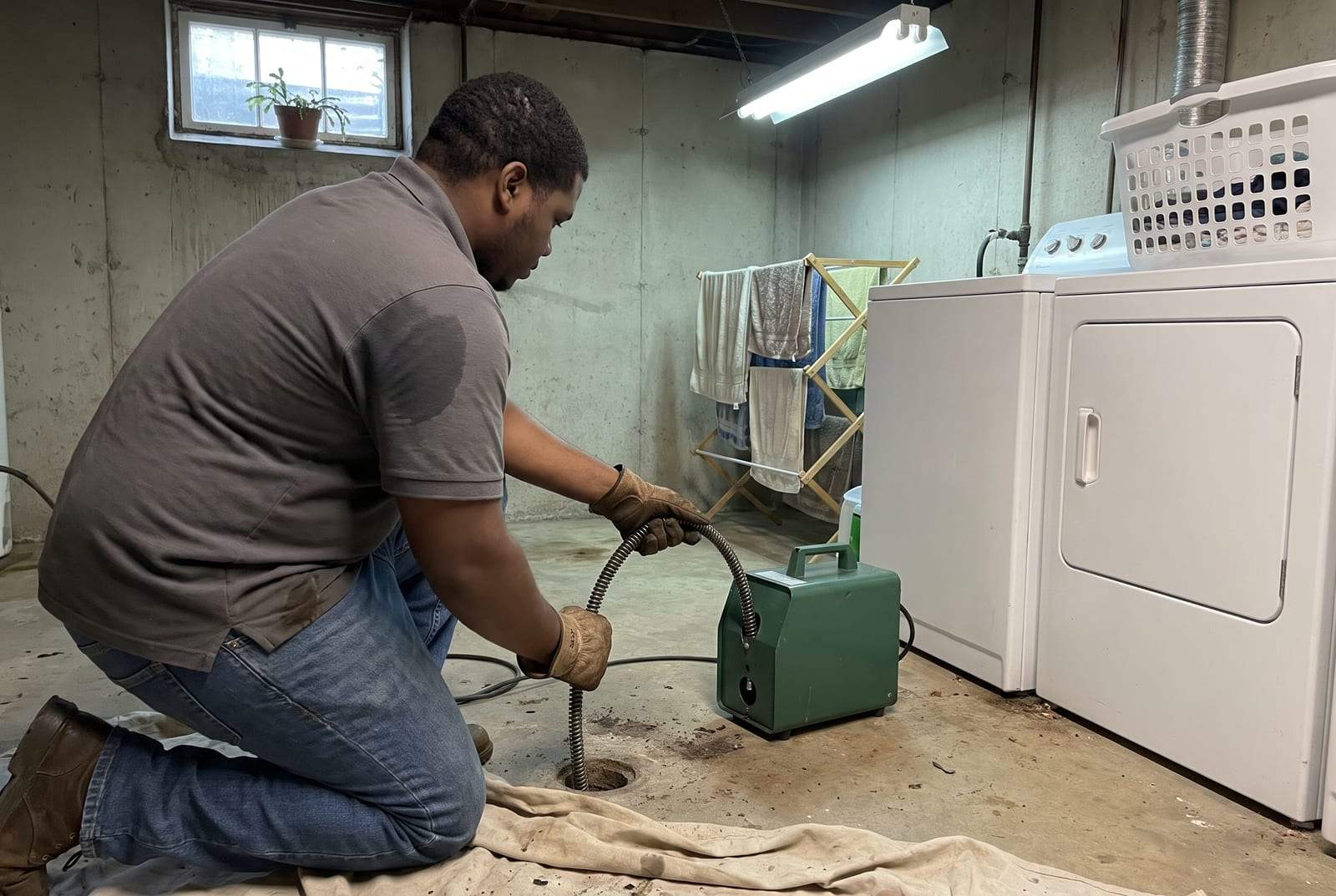
| Basement floor drain | Laundry lint, sediment, a blockage in the main line downstream | Water coming up through the grate, especially when the washer drains | Cable machine through the drain or the nearest cleanout |
| Main sewer line | Tree roots at joints in clay or cast iron pipe, a sag or offset, a build-up of grease and wipes | Several fixtures slow at once, backups in the lowest drain, gurgling toilets | Large cable machine from the main cleanout; camera inspection where the cause is unclear |
What to Do While You Wait
- Stop running water into the slow or blocked drain, and ask everyone in the house to hold off on showers, laundry and the dishwasher if more than one fixture is affected.
- Avoid chemical drain cleaners. They seldom clear a full blockage and leave hazardous water standing in the pipe.
- Locate the main cleanout, usually a capped fitting near where the sewer line leaves the basement, and clear boxes or stored items away from it.
- If water has come up through a floor drain, keep children and pets away from it and move anything stored nearby.
- Note which fixtures are slow and when it started; those details help pinpoint the blockage.
A written estimate is prepared before any work begins, so the method and what it includes are clear before the cable goes in.
Drain and Sewer Questions
How can I tell a single clog from a main sewer line problem?
One slow fixture usually means the blockage is in that fixture’s own trap or branch line. When several fixtures slow down together, or water comes up through the lowest drain in the house when a toilet is flushed upstairs, the trouble is usually in the main line that all of them share.
Are chemical drain cleaners safe to use?
They often fail on a full blockage, and the drain is then full of caustic water that is hazardous to anyone who opens the trap or runs a cable through it. Repeated use is also hard on older pipe. If a chemical cleaner has already gone down the drain, mention it when you call so the work can be done safely.
Why does the same drain keep clogging?
A drain that clogs every few months usually has a cause beyond the last blockage: a trap or arm with the wrong slope, a build-up along the pipe wall that a quick clearing did not remove, or roots returning at a joint in the sewer line. Recurring clogs are worth describing in detail when you schedule service.
Do tree roots really get into sewer lines?
They do. Older sewer laterals made of clay tile or cast iron have joints every few feet, and roots follow the moisture at those joints. Mature trees over the line, a common sight on older Westerville streets, make root intrusion more likely. Clearing removes the roots for a time; a damaged section may need repair.
What is a cleanout, and why does it matter?
A cleanout is a capped opening on a drain or sewer line that gives direct access for a cable. Most houses have one where the main line leaves the basement, often a round plug in the floor or a capped fitting low on the main stack. Knowing where it is, and keeping it clear of boxes and shelving, makes a main line clearing quicker and cleaner.
Schedule a Drain Cleaning Visit
Call during business hours or send a request with the fixtures that are slow, and a day is arranged for the visit.