

A slow or clogged drain is the most common household plumbing problem. Many can be cleared safely at home; some are a sign of a blockage further down the line that no plunger will reach. This guide helps tell the two apart.
Start with the troubleshooter: choose the fixture and what it is doing, and it shows the likely cause and a sensible next step. The do-it-yourself fixes and the table below cover the same ground in more detail.
Symptom Troubleshooter
Find the Likely Cause
Choose the fixture and what it is doing, then press Show Likely Cause.
Do-It-Yourself Fixes Worth Trying
Plunger
- Use a cup plunger on sinks and tubs and a flange plunger on toilets.
- Leave enough water in the fixture to cover the plunger’s rim, and block any overflow or second drain with a wet cloth.
- Press down gently to push out the air, then pump firmly and steadily a dozen times before lifting off.
- Repeat two or three times. If the water does not move, stop: more force can push a blockage deeper.
Drain Strainer and Stopper
- Lift out a bathroom sink stopper, or unscrew it, and pull the hair and soap off its stem.
- On a tub or shower, unscrew the strainer or remove the trip lever plate and pull out the hair beneath.
- Rinse the parts, refit them and run hot water for a minute.
Trap Cleaning
- Put a bucket under the curved trap below the sink and have a towel ready.
- Loosen the two slip nuts by hand and lower the trap.
- Empty and rinse it, and look into the trap arm going into the wall.
- Refit it with the washers in place, hand-tighten the nuts and run water to check for drips.
Symptoms, Causes and When to Stop
| Symptom | Likely cause | Try first | When to stop and call a plumber |
|---|---|---|---|
| Slow sink or tub | Hair, soap or grease in the trap | Clean the stopper or strainer; plunge | Water rises in another fixture, or the trap is clean and it is still slow |
| Toilet slow to flush | Paper or wipes in the toilet trap | Wait, then use a flange plunger | Plunging fails twice, or an object went down |
| Gurgling drains | Partial blockage or blocked vent | Clear the nearest trap | Gurgling spreads to other fixtures |
| Sewer smell | Dry trap, failed wax ring, build-up in a line | Run water in unused drains; clean the trap | Smell persists, or water appears at a toilet base |
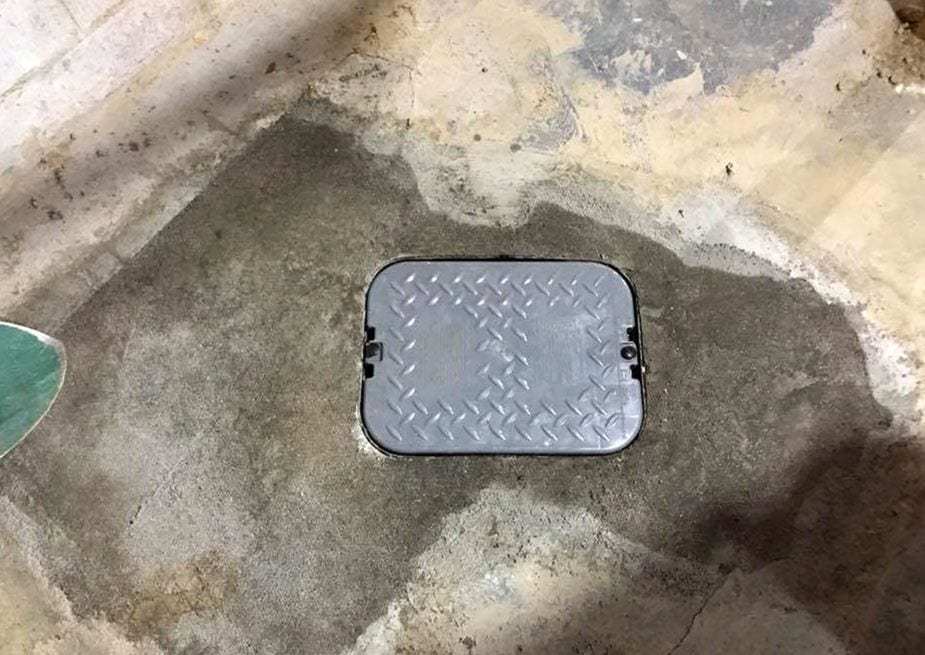
| Water from a floor drain | Main sewer line blockage | Stop all water use; find the cleanout | Immediately |
| Several fixtures slow | Main line blockage, roots or a sag | Limit water use | Right away: a home remedy will not reach it |
Before You Call
- Which fixtures are slow, stopped or backing up
- When it started, and whether it came on suddenly
- Whether water appears in another fixture or a floor drain
- Anything that went down the drain that should not have
- Whether a chemical cleaner has been used
- Where the main cleanout is, if you know
Clogs and Chemical Cleaners
Do chemical drain cleaners work?
On a slow drain they sometimes help for a while; on a full blockage they usually do not, and the drain is left full of caustic water. That water is a hazard to anyone who removes the trap or runs a cable, and repeated use is hard on older pipes and on rubber seals. Mechanical clearing, by plunger, strainer, trap cleaning or cable, is the safer route.
Is boiling water safe to pour down a drain?
Hot tap water is a reasonable first step on a greasy kitchen drain. Boiling water can soften PVC joints and crack a porcelain toilet bowl, so it is best kept out of toilets and plastic traps.
Can I use a plunger on a double kitchen sink?
Yes, but block the other drain with a wet cloth or a second plunger, and clamp the dishwasher hose if there is one. Otherwise the plunger pushes air and water out of the other opening instead of at the clog.
How do I clean a sink trap?
Put a bucket under the trap, loosen the two slip nuts by hand, and lower the curved section. Empty and rinse it, check the short pipe into the wall for build-up, then refit it with the washers in place and run water to check for drips.
Why does my drain clog again a few weeks after clearing it?
The last clearing may have opened a path through the blockage without removing it, or there is a cause further down the line, such as roots or a sag. A drain that keeps returning to the same state deserves a full clearing.
When a home fix does not work, or the signs point to the main line, the drain cleaning page explains how professional clearing is done and what to do until the visit.